
TL;DR
The traditional “Iron Triangle” is no longer enough to prove a PMO’s value. To transform from a “bureaucratic layer” into a strategic driver of continuous improvement, PMOs must shift their focus toward Benefits Realization.
- The Goal: By selecting a lean set of quantifiable, strategy-aligned metrics, the PMO ensures that every resource is focused on “doing the right projects” rather than just “doing projects right”.
- Move Beyond Lagging Metrics: While standard project tracking tells you what happened after the fact, leading KPIs allow for proactive course correction.
- Balance Your Portfolio: Use a mix of leading indicators and lagging indicators.
- Operationalize for Impact: Effective KPI management requires high-quality, real-time data.
How to Measure Portfolio Success With the Right KPIs
How do you measure portfolio success? How do you unlock strategic value?
PMO professionals must select a lean, high-impact set of Key Performance Indicators (KPIs) to effectively measure and communicate project portfolio success. This includes leading (predictive) and lagging (reactive) KPIs. The goal is to move the PMO from being a “passive reporter” to an “active strategic partner.”
Here’s how to select the right mix of leading and lagging KPIs to measure portfolio success, prove PMO impact, and move beyond the iron triangle.
Evolving Beyond the “Iron Triangle”: Measuring Portfolio Success
How have Project Portfolio Management (PPM) KPIs evolved beyond the traditional “iron triangle”?
First, let’s define the metaphor.
The “iron triangle” describes how the project manager “is asked to reach a reasonable trade-off among various concurrent, heterogeneous, and visible constraints,” according to PMI. Projects are traditionally expected to be delivered on time, in scope, under budget.
We must shift from evaluating individual project efficiency (iron triangle) to measuring overall strategic value and benefits realization.
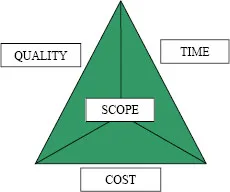
Source: PMI
Where the Iron Triangle Misses the Mark
The iron triangle may have worked as a framework for project management in the past, but it no longer accounts for today’s more complex environment and the evolving role of the PMO.
First and foremost, this framework simply doesn’t measure portfolio success. It is not merely about ensuring the timely completion of a project within scope and budget. Projects must deliver real, long-term, strategic value. The iron triangle doesn’t account for this responsibility.
The framework also fails to address the various needs of the project: resource constraints, stakeholder demands, and so on. It merely responds to the most basic elements of so-called project success, which does not really consider the full picture of what success looks like in the first place.
Furthermore, the iron triangle ignores that projects are human endeavors. Human beings (team members) are completing the activities that comprise the project, and the outcomes must satisfy stakeholders, who are also human. It is fair to say that merely completing a project on-time, in scope, and under budget will never fully meet the needs of any stakeholder. Requirements are dynamic. They can change, and they often do.
This framework allows for no flexibility. It also ignores risks and uncertainties that can have great bearing on outcomes. Simply put, the iron triangle is not a complete framework and doesn’t offer the full picture.
Why Metrics Matter
A better way to measure portfolio success is through metrics. KPIs provide visibility into portfolio performance far beyond what the iron triangle can offer.
In fact, every aspect of your activities can provide PPM metrics.
For example, you can evaluate strategic alignment, risk management, resource management and optimization, value realization, and much more, depending on which KPIs you decide to track.
Moreover, metrics provide an equally objective measurement of portfolio success as the iron triangle. They always use data to provide a concrete and non-subjective view of a particular area of performance. That means you can glean real insights and inform your decisions.
Leading vs Lagging PMO KPIs
What is the fundamental difference between leading and lagging KPIs, and why must a PMO use a balanced mix of both?
Leading indicators are metrics that predict future performance or outcomes. Lagging indicators consider past performance. Leading KPIs are more actionable, while lagging KPIs are more reflective.
You need both types to measure portfolio success. That’s because neither type can present the full picture on its own. You need a holistic view of your portfolio. You must look both backward and forward to truly understand how your portfolio is doing and its potential as you move ahead.
Leading Indicators to Track
Leading PPM metrics examine the current and future state of your portfolio. Using them allows you to be proactive and effect change. While they can be more difficult to measure since they reflect actions that haven’t yet happened, you are better equipped to change actions to ensure better outcomes. You can intervene early and identify risks and challenges before they escalate into larger issues.
Some examples of leading indicators to track include:
- Portfolio value density: PVD measures a portfolio’s strategic value. It is the ratio of the value delivered by the portfolio compared to the amount of work and resources invested in it.
- Resource utilization rate: This refers to the resources (people, materials, money, etc.) you’re expending on high-priority projects. By monitoring this KPI, you can prevent overloading.
- Risk identification rate: You should identify risks before they escalate into serious issues and interfere with projects.
- Stakeholder satisfaction score: This KPI refers to early feedback you receive from stakeholders as to how engaged and satisfied they are with the project and its progression.
- Time to value: The amount of time it takes to deliver real value demonstrates your efficiency and the quality of your process.
- On-Time Milestone Completion: This refers to the timely completion of various activities and milestones, not just full projects themselves.
Lagging Indicators to Track
Lagging indicators examine what has already happened. They are important for ensuring accountability and strategic alignment, connecting discrete project and portfolio outcomes to your larger business goals and strategy. They also help you see the value the PMO is producing and help inform your efforts going forward.
Some of the most impactful lagging indicators include:
- Benefit realization rate: BRR looks at whether you have realized the anticipated value from your portfolios and projects.
- Return on investment: ROI is a broad measure of the financial gains portfolios or individual projects have delivered.
- Schedule variance: This measurement contrasts when you have actually finished projects with when you expected to.
- Budget variance: Looking at how much your final costs have deviated from your budget, this can indicate whether you need to better estimate or control costs.
- Customer satisfaction score: CSAT examines overall client satisfaction and engagement with your projects or portfolios.
- Portfolio completion rate: This refers to the proportion of projects within a portfolio that have been completed successfully.
Start Small: Choosing KPIs Strategically
So, here’s the real question: How can PMOs “start small” by choosing a lean set of KPIs that are well-defined and quantifiable, ensuring they tie directly to broader corporate objectives?
1. Begin with organizational objectives.
To ensure strategic alignment, start by looking at the organization’s overarching goals. Consider the highest-priority objectives first. You will want to tie your PPM Metrics to these main priorities.
2. Work closely with stakeholders.
Key stakeholders are important for any KPI implementation plan to work. You must attain buy-in from leaders. They should also be aware of the purpose of these metrics. You will want feedback from stakeholders on which organizational priorities and which KPIs are the most essential ones to track.
3. Select a small set of lead and lag indicators.
Remember: You are starting small. It is tempting to try to track everything, but that’s impossible. Instead, keeping your priorities in mind, choose a handful of the most essential KPIs. Create a balance between leading and lagging indicators, focusing on the most actionable metrics.
4. Create a system for tracking KPIs.
In order to successfully track KPIs, you must have a well-honed system for doing so. Project portfolio tools can assist you with this process, providing ample data to give you a clear picture of what’s happening.
In addition to using technology, be sure you fully understand what each KPI means and what success looks like. Every KPI must be clear, actionable, and measurable. It could help to use a SMART (Specific, Measurable, Achievable, Relevant, and Time-bound) framework to evaluate whether each KPI meets these criteria.
5. Communicate with your stakeholders and team.
Stay in constant contact with your stakeholders, informing them of your progress. Share any critical data and results. This allows everyone to stay on top of your efforts and success.
6. Continuously monitor your metrics.
Establish a means of regularly monitoring your KPIs. Technological platforms like Prism PPM can help significantly. They will give your real-time visibility into your progress and any possible problems by providing ample data and reporting. You will likely need to refine and adapt your KPIs as your strategy and organization evolve and your PMO matures.
Conclusion: KPIs and PPM Tools to Measure Portfolio Success
Too often, the PMO fails in its efforts simply because it lacks the right vehicles for understanding and evaluating progress. Projects and portfolios aren’t tied to the right goals—or aren’t tied to organizational goals at all. The answer? Project portfolio KPIs.
Effective KPI measurement drives continuous improvement and helps the PMO actively drive strategic priorities. But KPIs don’t operate in a vacuum. You need a partner to evaluate, track, and measure your metrics. That is where technology enters the picture.
A strong PPM platform allows you to visualize your performance and get the data you need to make better decisions.
Explore how Prism PPM can track these metrics granularly and at a macro level. Book a 15-minute consult or a 45-minute demo.