
Approximately 90% of all organizations are undergoing digital transformation in some form, according to McKinsey & Company. But these efforts don’t always work. The initiative might be rushed, or it hasn’t been carefully planned out. Or, perhaps it’s been driven by the need to follow the trends, rather than the need for real holistic digital transformation.
Many transformation initiatives fail not due to lack of ambition or innovation, but because they lack the portfolio-level discipline needed to prioritize, execute, and measure change effectively, especially across large and complex organizations.
But applying project portfolio management strategies and tools can help.
Digital transformation and project portfolio management go hand in hand. In fact, PPM is the foundation for a successful transition.
Here, we explore why you must embed portfolio governance, prioritization frameworks, and performance metrics into the DNA of any transformation roadmap. You’ll learn why these methodologies allow you to facilitate digital transformation and lead to greater innovation.
The Importance of Digital Transformation
Worldwide spending on digital transformation is expected to reach nearly $4 trillion by 2027.
Why?
Increasingly, organizations understand that innovation is mandatory given the fast-moving and competitive landscape. That means digital transformation. It’s not just about software; it’s about modernization and a mindset shift.

Today, technology is pivotal for real change and a thriving business. That’s how organizations transform. Through digital transformation, you access an abundance of data, allowing you to gain in-depth insights about your current goings-on and what you need to do to move forward.
You’ll make better decisions. You’ll eliminate outdated processes. You’ll innovate at a greater scale. You’ll stay competitive.
Digital transformation isn’t limited to large enterprises. Smaller businesses must innovate and stay current, too. It allows all organizations to keep up with a rapidly changing landscape.
But unfortunately, not all digital transformations succeed.
Why Digital Transformation Efforts Fail
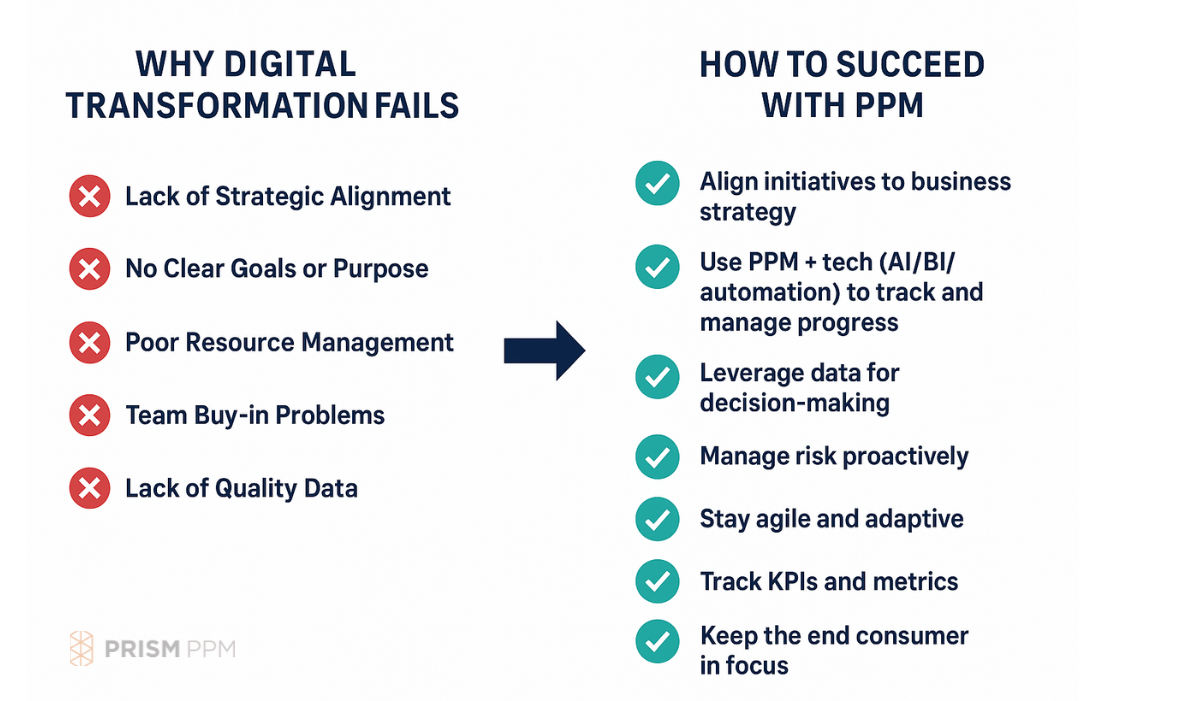
Why do digital transformation efforts so often stall or fail? There are several contributing factors. But the good news? A PPM strategy can help address these challenges.
Lack of Strategic Alignment
Organizations lack a solid, transparent strategy. There is no clear governance framework or alignment with organizational initiatives. This may result in them adopting technologies aimlessly, even if they don’t serve any clear purpose.
Project portfolio management allows organizations to align digital transformation initiatives with their business strategy. PMOs ensure that the transformation efforts complement and support strategic projects.
No Clear Goals or Purpose
Similarly, digital transformation sometimes fails if the organization has not established any goals, purpose, or KPIs. For instance, you may forget about your real audience, the customer, in an effort to replace your existing infrastructure with fancy new tools.
You must have a documented plan with stated objectives. Be specific: For example, you might track time saved through digital transformation efforts thanks to automation, centralizing enterprise tools into a single system, and reducing manual effort.
Poor Resource Management
Proper resource management is essential, going hand in hand with having the right budget. And resources aren’t just material assets. They also include people. If you don’t have the necessary staff with the training and skills to undertake a huge, complex project like digital transformation, you are likely to fail.
Team Buy-in Problems
People may be comfortable with their current legacy systems, even with all their shortcomings. They might resist alterations to the status quo. You need to implement change management to attain buy-in and form a strategy for getting people on board. This is pivotal for getting leadership, team members, and other stakeholders to embrace digital transformation. If you don’t attain buy-in, there could be resistance to the adoption of new technologies.
Educate stakeholders on the advantages and use cases of the various tools you want to implement. They will need to learn how to use new tools, too; that means arranging training to ensure everyone has a solid understanding of the platforms.
Lack of Quality Data
Data is the basis of any digital transformation plan. You must have quality data—clean, accurate, and consistent information. For example, you may need data related to CTR, consumer usage, internal system failures, and more, depending on your industry and niche. Its absence will usually lead to failure. But you don’t have to attain it all on your own; using a PPM platform like Prism PPM allows you to gather meaningful data and extract insights through dashboards, real-time analytics, that allow you to assess your progress and track results.
Best Practices for Managing Transformation Portfolios
How do you ensure a successful digital transformation process? Follow these best practices.
Ensure your digital initiatives are aligned with your strategy.
Aligning digital initiatives with your CIO digital strategy is critical. Transformation cannot be performed for transformation’s sake alone; it must support and further your overall mission and objectives. Ensuring that your undertakings are aligned leads to greater success for your business and its direction.
Use technology to aid transformation efforts.
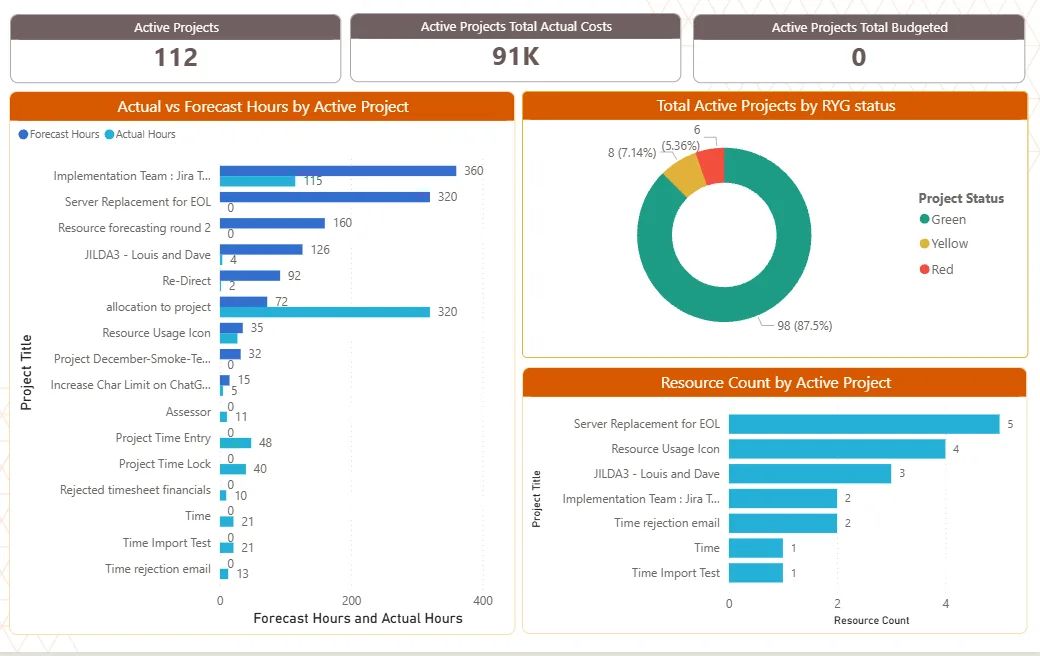
AI tools, data analytics, and automation are central to your digital transformation efforts. A PPM platform like Prism PPM allows you to track and visualize progress and trends and manage resources and objectives. You can also view and assess real-time data and integrate with other platforms like Jira, all important for an enterprise-wide undertaking like this one.
Use data to make better decisions.
Data is the cornerstone of digital transformation. To collect, understand, and utilize data effectively, continuously monitor your dashboards and reports to glean insights. This will fuel better decision-making.
Be mindful of the risks.
IT overhauls and investments can be risky. That’s why you must employ a robust risk management strategy. Balance your need for rapid change with the time and care it will take to facilitate an enterprise-wide transformation. This includes understanding the budget available to you and working within it.
Stay agile.
Digital transformation demands agility. You need to be flexible in your approach. Move efficiently, without rushing. Taking this care will allow you to stay nimble without making unnecessary mistakes.
Track KPIs and metrics.
What role should governance and KPI tracking play in transformation? An integral one, as it turns out. KPIs and metrics are a crucial part of any project, no matter what its shape or size. You need a way of knowing what success looks like and measuring how your efforts have panned out. You should use these indicators to track individual projects and the overall portfolio—that is, digital transformation.
Keep the end consumer in mind.
During your digital transformation, you may risk losing sight of the bigger picture: the customer. Stay focused on how your efforts will ultimately impact the most important stakeholder (the client or consumer) and align your transformation efforts with their needs. For example, consider how companies like Netflix and Coursera underwent digital transformation to offer more personalized and accessible services.
Why Digital Transformation and Project Portfolio Management Are Complementary
Digital transformation is a complex undertaking that fundamentally shifts the culture of your organization. It is not a discrete project but a series of linked initiatives. That means it’s ideal for PPM; after all, digital transformation happens over a series of projects, interlinked with each other, creating, in essence, a project portfolio.
As with any portfolio, not all projects are equally important—nor may every project deliver the outcomes you want or expect. With a robust strategy and PPM solution, one that provides ample data analytics and allows you to manage all the moving parts, you can reduce instances of error and ensure you’re prioritizing transformation projects
You can also customize tools like Prism PPM to meet your particular needs. Quickly adjust your settings and workflows to respond to rapidly evolving organizational demands and changes.
The relationship is also symbiotic. With revolutionized tools and processes, you can revitalize your PPM approach and manage project portfolios more efficiently and effectively..
You will also realize greater transparency, with everyone aware of what the other hand is doing. And with digital tools constantly gathering information, you’ll gain more data. That allows you to allocate and manage resources, balance risks, and plan more effectively.
Conclusion: Digital Transformation and Project Portfolio Management
Digital transformation is necessary for achieving greater agility and staying competitive in a rapidly changing landscape, no matter what your industry sector. How can a PMO or transformation office support alignment without slowing innovation? With the right tools in place, careful planning, and a shift in mindset, you can achieve your vision. Remember: PPM is not optional in digital transformation. It’s a strategic requirement.
Learn more about how Prism PPM can aid your organization’s digital transformation. Book a 30-minute consult or a 60-minute demo today.